

If you’ve ever bitten into a cucumber only to be hit with an unexpected bitter taste, you know how frustrating it can be. As someone who’s spent years growing my own vegetables, I’ve definitely had my share of bitter cucumbers. But the good news? It’s totally avoidable with the right approach.
So, why do cucumbers turn bitter in the first place? It all comes down to a few key factors — like the environment, watering habits, and the variety of cucumber you’re growing. Understanding what triggers bitterness can help you make simple adjustments that will leave you with sweet, crisp cucumbers all season long.
In this guide, I’ll walk you through proven tips and tricks to prevent cucumber bitterness, drawing on my own experiences and expert advice. Whether you’re a seasoned gardener or just starting out, you’ll find actionable tips to improve your harvest.
Understanding Why Cucumbers Turn Bitter
Why Cucumbers Become Bitter: Common Causes
If you’ve ever wondered why your cucumbers have turned bitter, let me tell you — it’s not just random. There are a few key reasons why this happens, and understanding them can help you prevent it from happening again. The bitterness in cucumbers usually comes down to three main factors: natural plant compounds, environmental stress, and the variety of cucumber you choose.
Natural Plant Compounds: Cucurbitacins Explained
Cucurbitacins are naturally occurring compounds found in cucumbers (and other plants in the gourd family). These compounds are produced by the plant as a defense mechanism to ward off pests and predators. In cucumbers, cucurbitacins are most concentrated in the skin and at the ends of the fruit. This is the main reason why you’ll often find bitter cucumbers at the tips, especially when the plant is stressed.
But here’s the thing: Not all cucumbers produce cucurbitacins in the same way. Some varieties are more prone to bitterness than others, which brings us to the next point.
Environmental Stress Factors

Your cucumbers are very sensitive to their growing conditions. When they’re under stress — from things like extreme temperatures, irregular watering, or nutrient imbalances — they’re more likely to produce those bitter compounds. Here’s how each factor plays a role:
- Heat Stress: If your cucumbers experience extreme heat, especially during the flowering or fruiting stage, they’re more likely to develop bitterness. Cucumbers prefer moderate temperatures and can react negatively to prolonged heatwaves.
- Irregular Watering: Cucumbers need a consistent watering schedule. Too much or too little water can stress the plant and lead to bitter cucumbers. Dry spells can trigger the plant to increase cucurbitacin production as a survival mechanism.
- Nutrient Imbalance: Cucumbers thrive in rich, well-drained soil with balanced nutrients. If your soil lacks certain nutrients, like potassium or nitrogen, it can cause the plant to struggle, leading to bitterness.
To keep your cucumbers sweet, pay attention to these environmental stressors and make adjustments accordingly.
Varietal Influence on Bitterness
Some cucumber varieties are naturally more prone to bitterness than others. This is why it’s so important to choose the right variety if you want to avoid that bitter taste. For example:
- Marketmore 76: A popular variety known for its resistance to bitterness and disease.
- Straight Eight: Another variety that produces smooth, sweet cucumbers.
- Lemon Cucumber: A smaller variety with a mild, less bitter flavor that’s perfect for salads.
If you want to grow cucumbers that are naturally less bitter, opt for these varieties. By choosing the right type of cucumber, you can significantly reduce the chances of bitterness showing up in your harvest.
Choosing the Right Cucumber Variety
Selecting Non-Bitter Cucumber Varieties for Your Garden
Now that we’ve covered the causes of cucumber bitterness, let’s dive into choosing the right cucumber variety. As a gardener, this is one of the best ways to prevent bitterness from becoming a problem. Selecting non-bitter cucumber varieties can save you a lot of trouble — and frustration — down the line.
Popular Non-Bitter Varieties
Here are some of the best cucumber varieties known for being sweet and tender, even under less-than-ideal conditions:
- Marketmore 76: This variety is a classic. It’s known for its disease resistance and ability to produce smooth, sweet cucumbers. It’s also tolerant of a range of growing conditions, which makes it a reliable choice for most gardeners.
- Straight Eight: As the name suggests, this cucumber is long and straight, with minimal bitterness. It’s a favorite for slicing and eating fresh.
- Lemon Cucumber: A unique variety that produces round, yellow cucumbers. They have a mild flavor and are less likely to turn bitter, making them perfect for people who want something different.
If you’re curious about which varieties work best for your area, check out gardening expert @GardenExpert on Twitter, who often shares updates on cucumber varieties and growing tips.
Hybrid vs. Heirloom Options
When choosing cucumbers, you’ll also encounter the debate between hybrid and heirloom varieties. Here’s what you need to know:
- Hybrid Cucumbers: These cucumbers are the result of crossbreeding two different varieties to combine their best traits. Hybrids like Marketmore 76 are often bred for disease resistance and productivity, making them a good choice for beginners or gardeners looking for low-maintenance plants.
- Heirloom Cucumbers: These varieties have been passed down through generations and are often prized for their flavor and uniqueness. However, heirloom cucumbers can sometimes be more susceptible to pests and diseases, and they might be more sensitive to environmental conditions.
When it comes to bitterness, hybrids tend to be more reliable. However, if you’re an experienced gardener and don’t mind dealing with some potential growing challenges, heirloom cucumbers like Lemon Cucumber might be a fun and rewarding choice.
Soil, Fertilization, and Watering Techniques
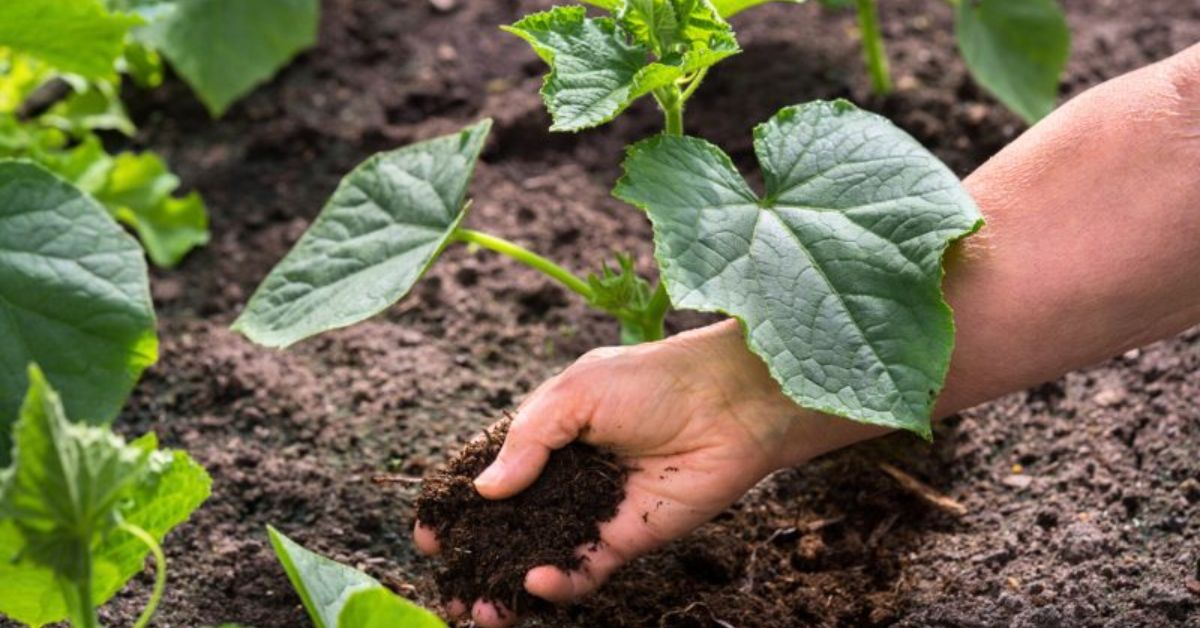
Optimal Soil and Fertilizer Practices to Avoid Bitter Cucumbers
Soil, fertilization, and watering are key to growing healthy, sweet cucumbers. The right balance of these factors will reduce plant stress — one of the main causes of bitterness. Let’s dive into each component and see how you can optimize them.
Soil Preparation
The foundation of any healthy cucumber plant starts with the soil. Cucumbers thrive in well-draining, nutrient-rich soil. If your soil retains too much water or doesn’t provide enough nutrients, your cucumbers will be under stress, leading to bitterness.
- Well-Draining Soil: Cucumbers don’t like sitting in soggy soil. Ensure your soil has good drainage to avoid root rot. You can mix organic matter or compost to improve soil structure.
- Nutrient-Rich Soil: Cucumbers need a steady supply of nutrients to grow well. Ensure the soil is rich in potassium, phosphorus, and nitrogen. If your soil is heavy or clay-like, you may want to add sand or organic matter to loosen it up.
To check your soil’s health, consider getting a soil test from a local agricultural extension office. This will help you understand the nutrient levels in your soil and make necessary adjustments.
For more details on preparing soil for cucumbers, check out this guide on soil health from The Spruce.
Balanced Fertilization
Fertilizing your cucumbers correctly is crucial for ensuring they grow healthy without producing excessive bitterness. Too much nitrogen can encourage leafy growth at the expense of fruit production, and sometimes even cause bitterness.
- Avoid Excessive Nitrogen: While nitrogen is important for plant growth, too much of it can lead to lush, green plants but bitter cucumbers. Use balanced fertilizers, and consider compost or organic fertilizers that provide slow-release nutrients.
- Use Organic Fertilizers: Organic fertilizers like compost or well-rotted manure not only provide essential nutrients but also improve soil health over time. A healthy, fertile soil will keep your cucumbers happy and sweet.
Consistent Watering Schedule
Watering your cucumbers consistently is another essential step in preventing bitterness. Both drought stress and overwatering can trigger the production of cucurbitacins (the bitter compounds).
- Water Consistently: Cucumbers need consistent moisture, especially during dry spells. Water deeply and evenly to keep the soil moist but not soggy.
- Use Mulch: Mulch can help retain moisture in the soil and prevent drastic temperature fluctuations. Applying a layer of mulch around your plants will keep the roots cool and well-hydrated, reducing stress and bitterness.
By ensuring that your soil is well-prepared, your fertilizer is balanced, and your watering schedule is consistent, you’ll be setting your cucumbers up for sweet success.
Planting and Environmental Tips
Environmental Management to Prevent Bitter Cucumbers
The environment in which your cucumbers grow plays a huge role in their taste. By managing your plants’ surroundings effectively, you can reduce stress and prevent bitterness. Let’s take a closer look at how to optimize the growing environment for your cucumbers.
Proper Spacing and Pruning
Cucumbers need proper spacing and airflow to thrive. When plants are crowded together, they can compete for nutrients, water, and sunlight. This not only weakens the plant but also increases its susceptibility to disease and bitterness.
- Proper Spacing: Make sure your cucumber plants have enough room to grow. Ideally, space them at least 12 inches apart in rows to allow for good airflow.
- Pruning: Prune the vines regularly to remove dead or damaged leaves. This encourages better airflow and reduces humidity, which can prevent mold and mildew. It also helps the plant focus its energy on fruit production instead of excessive vine growth.
Shade and Temperature Control
Extreme heat can stress your cucumber plants, causing them to produce bitter fruits. If you live in an area with scorching summer temperatures, consider using row covers or shade cloths to protect your cucumbers from direct sunlight during the hottest part of the day.
- Use Row Covers: Row covers can help regulate the temperature around your plants and protect them from the intense midday heat. These covers also shield the plants from pests, providing an additional layer of protection.
For more on temperature control and how to protect your plants from extreme heat, check out this detailed guide from Suttons.
Companion Planting
Companion planting is a great way to help your cucumbers thrive. Certain plants can reduce stress, repel pests, or even improve your cucumbers’ flavor.
- Beans: Planting beans near cucumbers can provide natural support for the vines and add nitrogen to the soil, improving its fertility.
- Marigolds: These flowers are known for deterring pests like aphids and cucumber beetles. By planting marigolds near your cucumbers, you help protect your plants from harmful insects that can cause stress and bitterness.
By managing spacing, protecting against temperature extremes, and utilizing companion plants, you create an environment where your cucumbers can grow happily — and more importantly, without bitterness.
Harvesting Techniques to Avoid Bitterness
How and When to Harvest Cucumbers for Maximum Sweetness
The way you harvest your cucumbers plays a significant role in whether they end up bitter or sweet. Timing is everything! Let’s explore the best harvesting techniques that will keep your cucumbers tasting fresh and delicious.
Picking Cucumbers Early
One of the easiest ways to avoid bitterness is to pick cucumbers early. As cucumbers mature, they become more likely to develop bitter compounds, especially if they stay on the vine too long.
- Smaller Cucumbers Are Less Bitter: Cucumbers that are picked when they are still small and tender usually have a milder flavor. They’re also more likely to be sweet and less prone to bitterness.
- Check Size Regularly: Aim to harvest your cucumbers when they reach a medium size, typically around 6–8 inches long, depending on the variety.
Regular Harvesting
The more frequently you harvest cucumbers, the less chance they have to become overripe and bitter.
- Prevent Over-Maturity: Cucumbers that stay on the vine for too long become large, tough, and bitter. Regularly picking cucumbers every few days ensures they stay at their peak freshness.
- Encourage New Growth: By harvesting regularly, you stimulate the plant to produce more cucumbers, which keeps the harvest going without over-ripening any fruit.
Handling Post-Harvest
What you do after you’ve harvested your cucumbers also matters. Proper handling helps maintain the sweet taste and texture, and prevents bitterness from developing after picking.
- Wash Immediately: Gently wash cucumbers after harvesting to remove any dirt or pesticides.
- Refrigerate Properly: Store cucumbers in the fridge as soon as possible. This keeps them crisp and fresh, preventing flavor degradation.
- Avoid Sun Exposure: Keep cucumbers out of direct sunlight, which can cause them to become soft and lose flavor. Light can make them more bitter over time.
Troubleshooting and Quick Fixes

Quick Fixes if Your Cucumbers Turn Bitter
If you’ve made it through the season and discovered that some of your cucumbers are still bitter, don’t worry — there are simple ways to fix or reduce the bitterness. Here are some tips to salvage your harvest and ensure you don’t face bitterness again.
Remove Bitter Portions
If your cucumbers have become bitter but you still want to enjoy them, start by removing the bitter parts.
- Slice Off the Ends: The bitterness is most concentrated at the ends of the cucumber. Simply cut off the stem and blossom ends before eating.
- Peel the Skin: If the bitterness remains, peel off the skin, as cucurbitacins are often more concentrated in the outer layer.
By removing these parts, you can usually salvage the cucumber and still enjoy a sweet, crisp bite.
Pairing Techniques
If the bitterness is mild but still noticeable, pairing the cucumbers with other ingredients in a recipe can help mask the bitterness.
- Use in Salads: Combine cucumbers with other fresh veggies like tomatoes or leafy greens. The flavors of these vegetables balance out the bitterness.
- Pickling: If your cucumbers are too bitter to eat raw, you can turn them into pickles. The vinegar and seasoning will reduce the bitter flavor, making them much more palatable.
Future Prevention Plan
While it’s possible to salvage bitter cucumbers, prevention is always better. For next season, consider these steps to avoid the same issue:
- Adjust Watering: Ensure a consistent watering schedule to reduce stress and prevent bitterness.
- Check Soil: Make sure your soil is rich in nutrients, and avoid over-fertilizing with nitrogen.
- Choose Non-Bitter Varieties: As we discussed earlier, certain cucumber varieties are naturally less bitter, so make sure to choose them for your next planting season.
For more advice on how to fix cucumber bitterness, take a look at this guide from Better Homes & Gardens.
Conclusion
By understanding the reasons behind cucumber bitterness and implementing the right growing techniques, you can enjoy a bountiful harvest of sweet, crisp cucumbers all season long. Whether it’s choosing the right variety, maintaining a consistent watering schedule, or harvesting at the perfect time, small adjustments in your gardening routine can make a world of difference.
Remember, gardening is a learning process, and the more you fine-tune your approach, the better your results will be. So, take these tips, apply them in your garden, and watch your cucumbers flourish without that unwanted bitterness.
Have you experienced bitter cucumbers in your garden? Share your tips, questions, or experiences in the comments below — I’d love to hear what’s worked for you! And for more gardening tips and expert advice, visit Plant Care Dairy. Happy gardening!
Disclaimer: The information provided in this article is based on personal experience and general gardening practices. Results may vary depending on your local climate, soil conditions, and gardening methods. Always consider consulting with a local gardening expert or agricultural extension office for tailored advice.